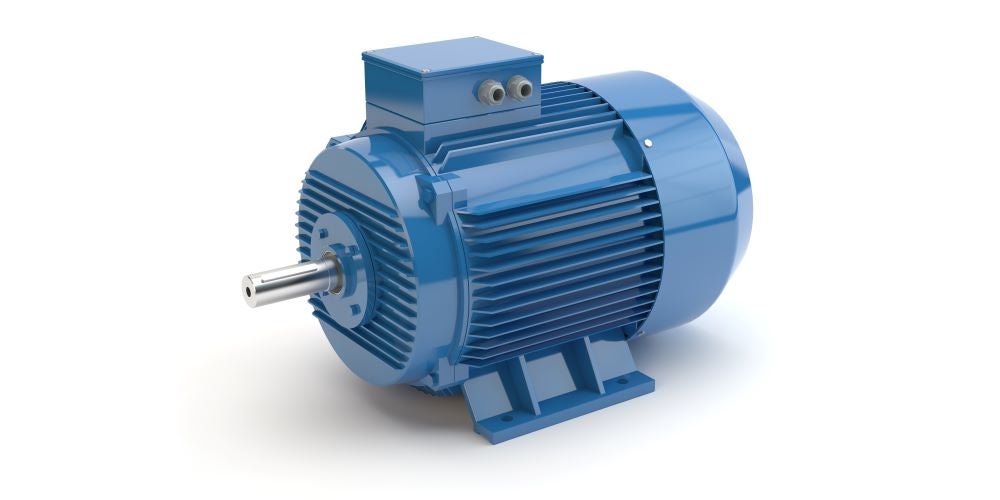
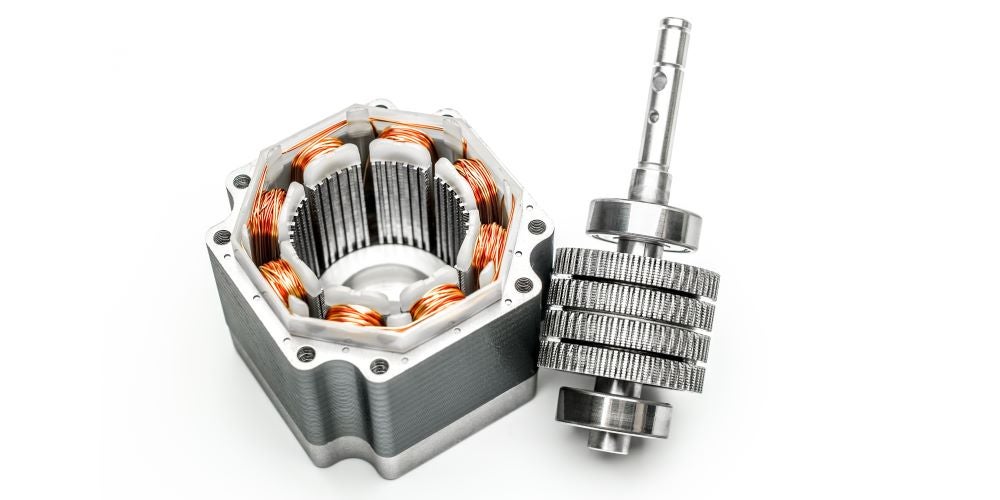
Industrial motor drives are essential to modern automation, delivering precise speed, torque, and position control in applications such as pumps, compressors, fans, robotics, machine tools, material handling, and process automation. Most systems use a Variable Frequency Drive (VFD), which converts three-phase AC power into a regulated DC bus and then generates a variable-frequency AC output for optimal motor performance and energy efficiency. Compared to direct-on-line operation, VFDs reduce energy consumption, particularly under variable loads, while enabling advanced control methods such as Field-Oriented Control (FOC), sinusoidal control, and sensorless operation.
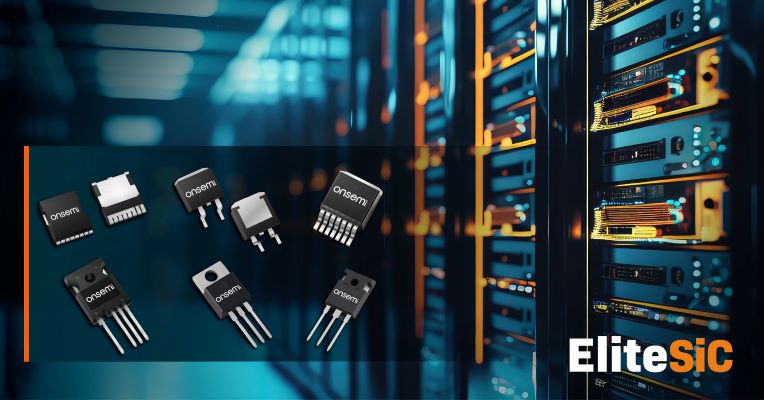
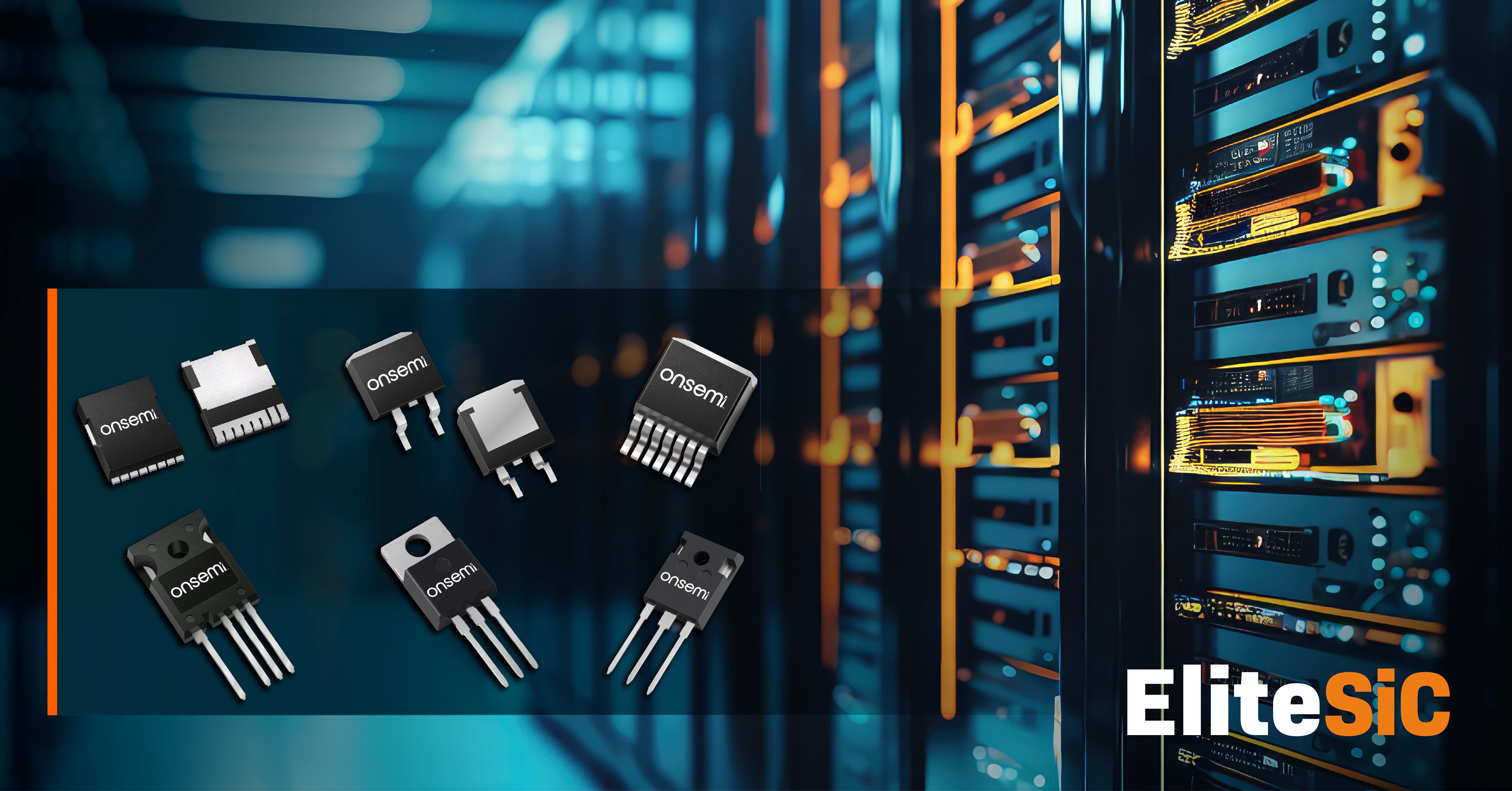
Advanced semiconductor technologies play a key role in improving drive efficiency, power density, and reliability. Traditional industrial drives commonly use IGBTs, which provide a cost-effective solution for medium- and high-power applications. For higher efficiency and switching performance, designers increasingly adopt silicon carbide technologies such as EliteSiC™ MOSFETs and SiC JFETs. These wide-bandgap devices reduce switching and conduction losses, support higher operating temperatures, and enable smaller magnetic components, filters, and cooling systems. Integrated solutions such as Intelligent Power Modules (IPMs) and Power Integrated Modules (PIMs) further simplify development by combining power devices, gate drivers, sensing, and protection functions into highly compact and reliable packages.
Industrial motor drives employ a range of power conversion topologies based on performance and cost targets. Standard systems use diode rectifiers and six-switch voltage source inverters, while high-performance designs implement Active Front Ends (AFEs) or Vienna rectifiers to achieve low total harmonic distortion (THD), near-unity power factor, and regenerative braking. Optional buck and isolated LLC DC/DC stages provide voltage regulation and galvanic isolation. Three-level inverter architectures such as T-Type Neutral Point Clamped (T-NPC) topologies are becoming increasingly popular because they reduce switching losses, motor insulation stress, common-mode noise, and output harmonics while enabling higher switching frequencies. Accurate current, voltage, temperature, and rotor-position sensing, including inductive position sensors, supports advanced closed-loop control, condition monitoring, and predictive maintenance.
Design trends emphasize energy efficiency, electrification, connectivity, and intelligent diagnostics. Next-gen drives integrate SiC switching, digital isolation, industrial Ethernet, CAN FD networking, and predictive maintenance. Designers must tackle EMI, thermal management, insulation coordination, functional safety, and cybersecurity. Compliance includes IEC 61800 and UL 61800-5-1 standards for general requirements, functional safety and EMC performance.. Key features include reinforced isolation, protection mechanisms, thermal monitoring, surge immunity, ESD protection, and proper clearance distances. These enable efficient, reliable, and intelligent motor control systems for industrial automation.