Solutions

Hyperlux Image Sensors

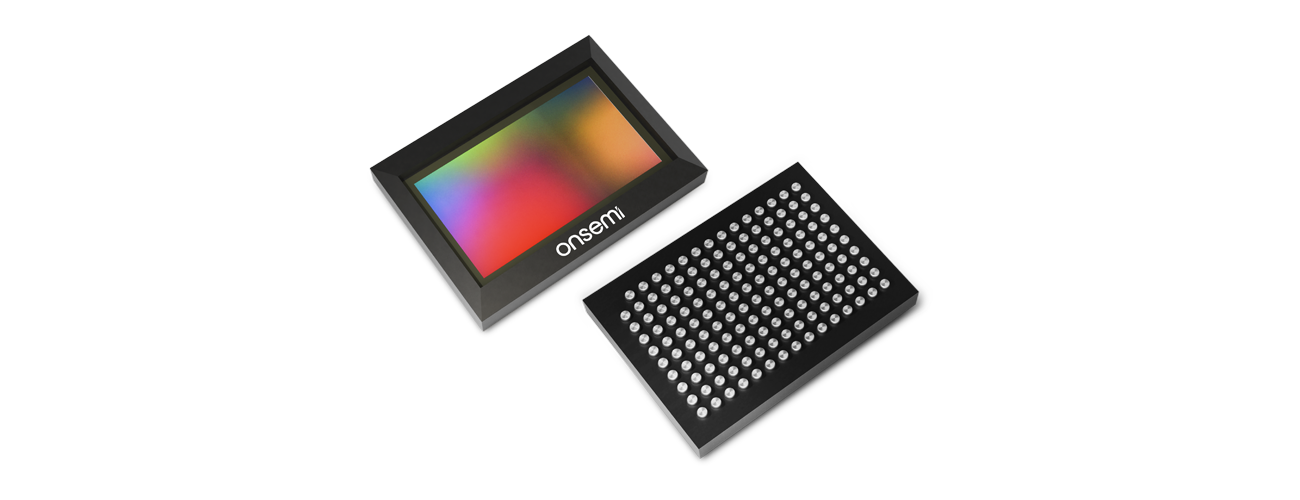
onsemi 's Hyperlux sensing portfolio provides a wide range of image and depth sensors for automotive, industrial and commercial applications. Hyperlux image sensors offer unique features and capabilities that deliver excellent image quality at low power consumption and are built to overcome challenging lighting conditions by offering high dynamic range and low-light performance to give your system the best results in any circumstances.

Hyperlux Image Sensor onsemi

Hyperlux

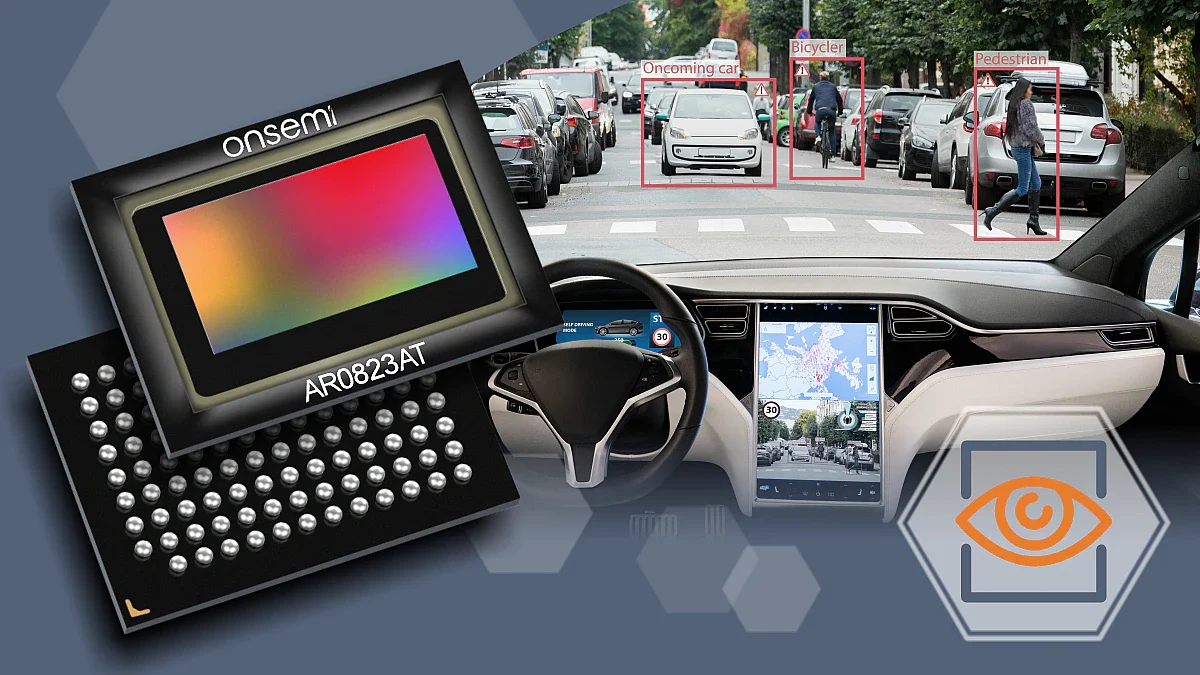
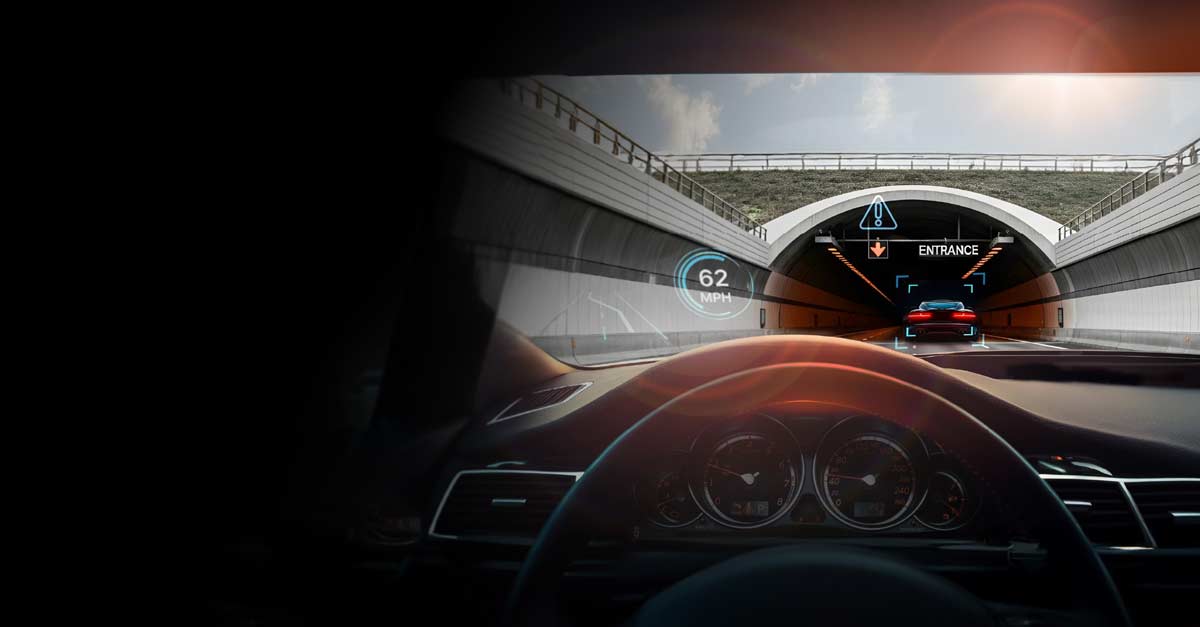
Automotive-grade image sensors for ADAS and Autonomous Driving

Hyperlux Image Sensor onsemi

Hyperlux LP

Produce high-quality images while integrating system saving features.

Hyperlux Image Sensor onsemi

Hyperlux LH

Achieve stunning 4K video quality with Enhanced NIR and eHDR.

Hyperlux Image Sensor onsemi

Hyperlux SG

Industry leading global shutter efficiency for more accurate scanning.

Hyperlux ID

Hyperlux ID

Revolutionizes iToF by extending distance measurements both indoors/outdoors.

Hyperlux Image Sensor onsemi

Hyperlux

Automotive-grade image sensors for ADAS and Autonomous Driving.

Hyperlux Image Sensor onsemi

Hyperlux LP

Produce high-quality images while integrating system saving features.

Hyperlux Image Sensor onsemi

Hyperlux LH

Achieve stunning 4K video quality with Enhanced NIR and eHDR.

Hyperlux Image Sensor onsemi

Hyperlux SG

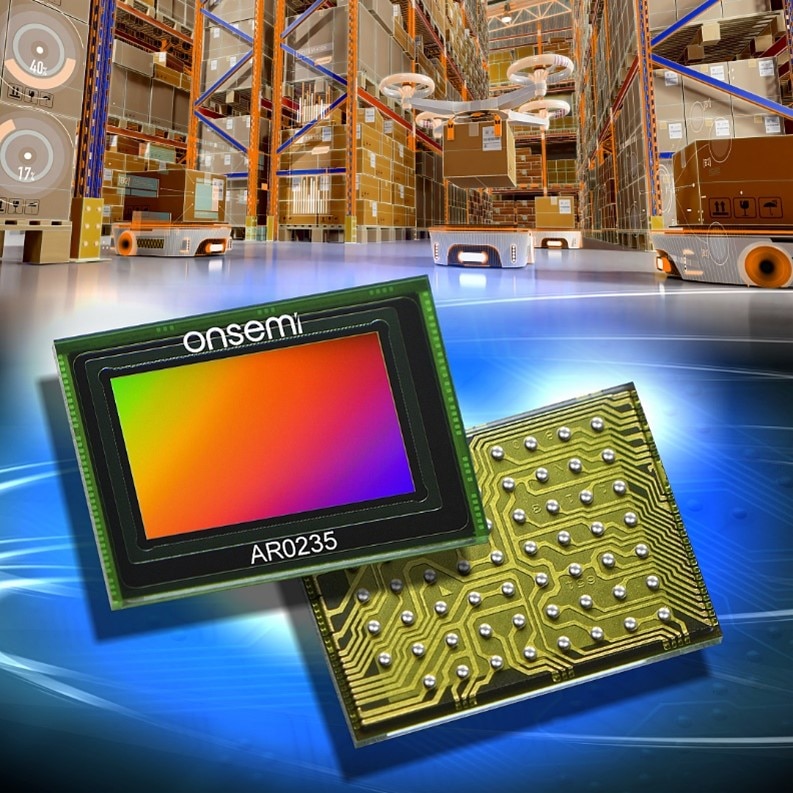
Industry leading global shutter efficiency for more accurate scanning.

Hyperlux ID

Hyperlux ID

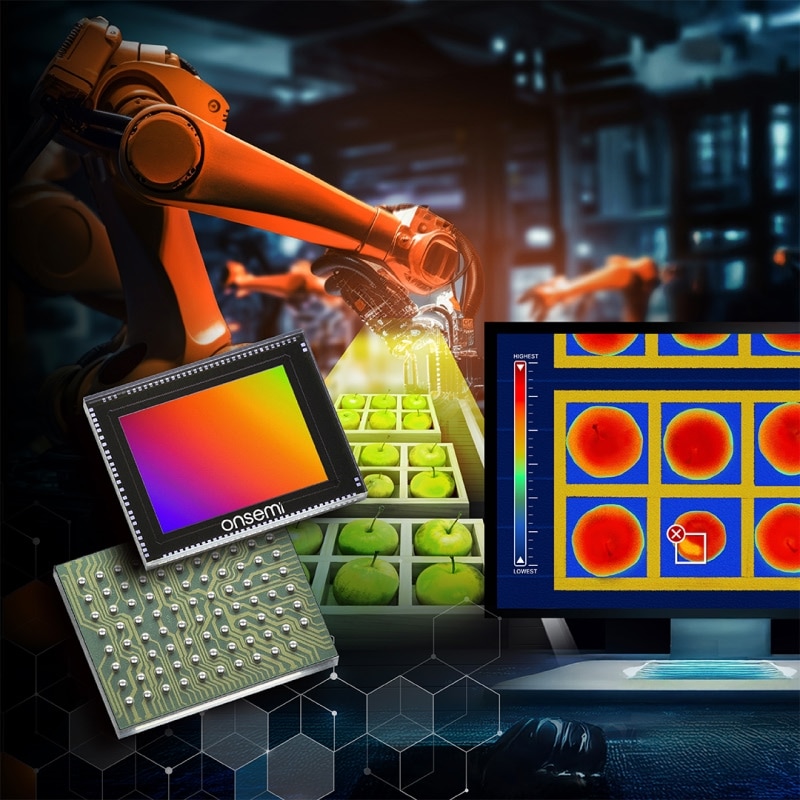
Revolutionizes iToF by extending distance measurements both indoors/outdoors.

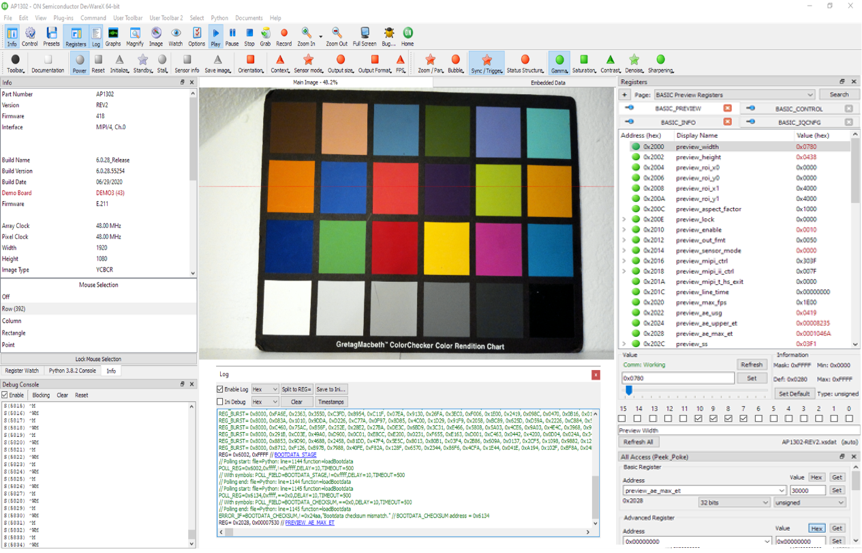
DevSuite General Software Installer

Industry-leading development software for onsemi image sensors.

Download Start Guide

Premier Reference Image
Sensor Module (PRISM)

Designed to streamline and accelerate the development of high-performance vision systems by providing pre-optimized subsystems for their image sensors.

Read More Download Now

Indirect Time-of-Flight Depth Sensing

The Hyperlux ID family revolutionizes iToF, extending distance measurements both indoors/outdoors, accurate depth on moving objects, and integrates data intensive depth processing.

Download Read Now

Support and Updates

If you're interested to learn about any onsemi technology, search for related articles in help library .

Support

onsemi offers a variety of ways to contact support for your convenience.

Sales

Questions about our products or need design assistance? Our sales support team is here!

Newsletter

Stay updated with onsemi for new products, events, and tech insights!

Videos

Learn more about hyperlux at onsemi by looking at one of the videos below.

FAQs

Common questions about onsemi’s Hyperlux Image Sensors

onsemi Hyperlux image sensors are a portfolio of advanced CMOS image sensors designed to deliver reliable sensing and viewing performance in challenging real‑world environments. The Hyperlux family is optimized for applications that demand high dynamic range, strong low‑light performance and robustness across temperature and lighting extremes, including automotive and industrial machine vision systems.

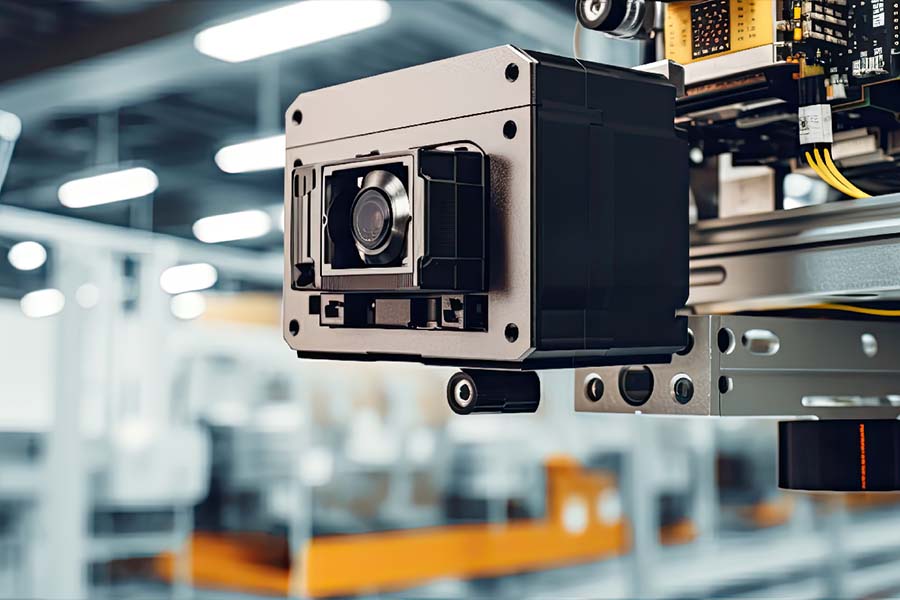
Hyperlux image sensors are designed for automotive ADAS and monitoring systems, industrial and factory automation, machine vision, depth sensing and edge‑AI vision applications.

The Hyperlux portfolio spans a broad range of resolutions, from lower resolution sensors for sensing and depth applications to multi megapixel and ultra-high resolution devices for advanced imaging. 2, 3 and 8MP are core resolutions for automotive.

Terminology Guide
  • Dynamic Range (DR) – The ratio between the darkest and brightest parts of a scene that a sensor can capture.
  • High Dynamic Range (HDR) – Techniques that allow image sensors to capture details in both bright and dark areas of a scene.
  • Embedded HDR (eHDR) – HDR processing performed directly on the image sensor, reducing system complexity and power.
  • Low Light Performance – The sensor’s ability to produce clear images in dim environments.
  • Quantum Efficiency (QE) – A measure of how effectively a sensor converts incoming photons into electrons.
  • Read Noise – Electronic noise introduced during signal readout, impacting image clarity in low light scenes.
  • Global Shutter – A shutter type where all pixels capture light simultaneously, eliminating motion artifacts.
  • Rolling Shutter – A shutter type where rows of pixels are exposed sequentially, which can introduce motion distortion.
  • Motion Artifacts – Visual distortions caused by object movement or camera motion during image capture.
  • Motion Compensation – Sensor level or system level techniques to reduce blur and distortion in moving scenes.
  • Smart ROI (Region of Interest) – On sensor feature that reads out only selected areas of an image to reduce data and processing load.
  • Wake on Motion (WoM) – A low power feature that activates the system only when motion is detected.
  • On Sensor Processing – Image processing functions performed directly on the sensor to reduce system bandwidth and power.
  • Frame Rate (FPS) – The number of images captured per second.
  • Depth Sensing – Techniques used to measure the distance between the camera and objects in a scene.
  • Indirect Time of Flight (iToF) – A depth sensing method that calculates distance by measuring phase shifts in reflected light.
  • Direct Time of Flight (dToF or TOF) – A range sensing technique that determines distance based on the travel time of light pulses.
  • Depth Map – A data representation where each pixel corresponds to a measured distance.
  • Spectral Response – The range of light wavelengths a sensor can detect.
  • Short Wave Infrared (SWIR) – Imaging in the 400–2100 nm range, enabling visibility beyond the visible spectrum.
  • Colloidal Quantum Dot (CQD) – A material technology used to extend sensor sensitivity into the SWIR range.
  • Inter Pixel Crosstalk – Signal leakage between adjacent pixels, which can reduce image clarity.