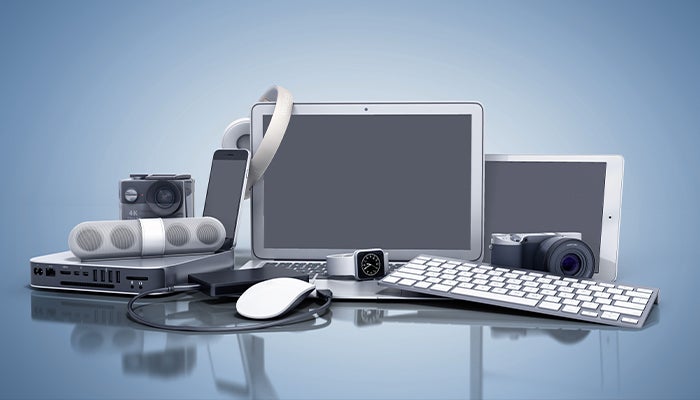
Laptops, computers, AR and VR headsets, medical devices, and other consumer electronic applications.

System Solution Guides for Consumer Solutions

Consumer applications include Medical Wearables, Augmented and Virtual Reality Headset, Battery-powered Tools, and USB-C Battery Charger. Explore our System Solution Guides to discover compact power architectures, advanced sensing, wireless connectivity, efficient charging, and system-level design insight for next-generation consumer devices.

Browse Consumer Brochures

Gain a comprehensive, in-depth look at consumer design expertise through expertly developed brochures created to support compact, high-performance products, accelerate development, and help bring your next consumer design to market with confidence.

card image
Medical Wearables

Medical wearables solutions combine low-power sensing, wireless connectivity, battery management, and compact system design to support devices such as continuous glucose monitors and hearing aids with reliable, portable performance.

card image
Augmented and Virtual Reality Headset

Combining high-performance imaging, depth sensing, and low-latency operation, these solutions enable precise tracking, immersive visuals, and efficient power use in advanced wearable devices.

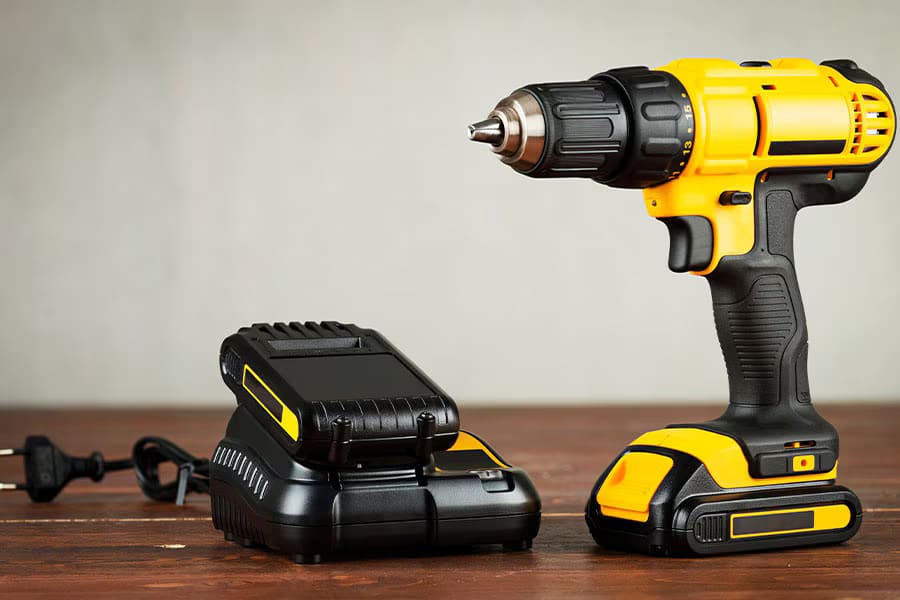
A yellow and black drill and battery
Battery-powered Tools

Designed for robust motor control and efficient power management, these solutions use high-performance MOSFET and gate driver technologies to deliver reliable cordless operation, compact design, and longer runtime.

card image
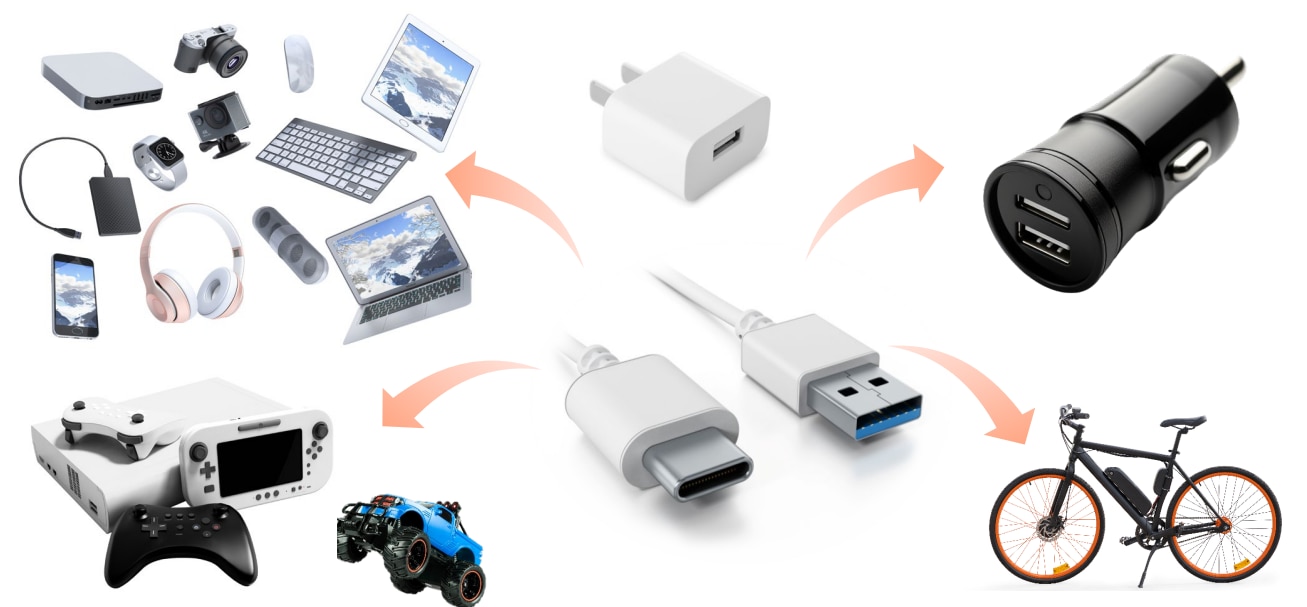
USB-C Battery Charger

Engineered for fast, efficient, and scalable charging, these solutions integrate USB Power Delivery control, advanced power conversion, and compact thermal design for adapters, power banks, and embedded charging systems.

Frequently Asked Questions

The Consumer System Solution Guides include Medical Wearables, Augmented and Virtual Reality Headset, Battery-powered Tools, and USB-C Battery Charger.

The Medical Wearables guide highlights applications such as continuous glucose monitoring and hearing aids, and it focuses on core building blocks including analog front ends, Bluetooth connectivity, battery charging, and compact low-power design.

onsemi emphasizes Bluetooth Low Energy and low-power system design because wearable medical products need to stay small, battery-powered, and connected while maintaining long operating life and reliable sensor data transfer.

onsemi highlights high-performance image sensors, depth sensing, global-shutter capture, low-latency imaging, SLAM, eye tracking, and precise 3D mapping as important technologies for AR/VR headset design.

Global-shutter sensors are valuable because onsemi describes them as enabling distortion-free capture during fast head and controller movement, which helps improve tracking accuracy and responsiveness in immersive systems.

onsemi states that its consumer USB-C battery charger solutions cover AC-input and DC-input designs from 65 W to 240 W, and the latest USB-C PD implementations can support up to 240 W and programmable voltages up to 48 V.

The USB-C battery charger materials highlight key stages and topologies such as power factor correction (PFC), flyback or LLC DC-DC conversion, synchronous rectification, and USB Power Delivery control with PPS support.

onsemi states that battery-powered tools typically use rechargeable Li-ion battery packs ranging from 12 V to 72 V, supporting portable cordless operation across multiple tool classes.

onsemi notes that cordless tools often use Brushless DC (BLDC) motors because they help deliver improved efficiency and reduced noise, while also fitting well with compact power electronics and motor-drive stages.

onsemi positions its system solution guides as detailed development resources that provide system-level insight, block diagrams, recommended products, reference designs, and technical guidance to help streamline design work and accelerate time to market.