Energy infrastructure system solutions for efficient energy management.

System Solution Guides for Energy Infrastructure Solutions

Energy infrastructure applications encompass a diverse range of renewable energy and grid‑interfacing systems driving the energy transition. Explore our System Solution Guides for insight into efficient power conversion, advanced protection, scalable architectures, and semiconductor solutions for modern electrification systems.

Browse Energy Infrastructure Brochures

Gain a comprehensive, in-depth look at energy infrastructure design expertise through expertly developed brochures created to support efficient power systems, accelerate development, and help bring your next energy design to deployment with confidence. onsemi positions these guides as practical resources to streamline development and support innovation across electrification and renewable energy applications.

card image
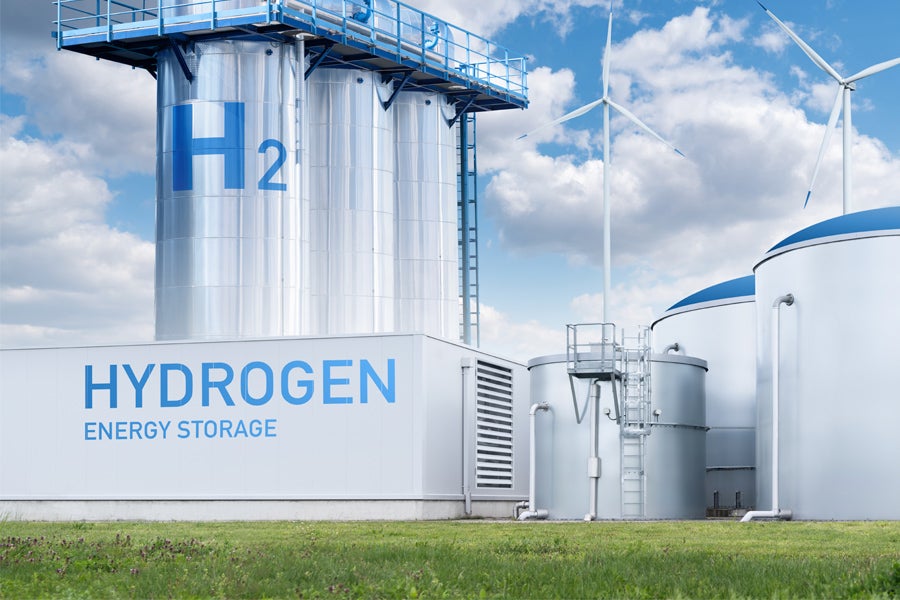
Green Hydrogen Electrolyzer

Green hydrogen electrolyzer solutions combine efficient power conversion, sensing, and control to support scalable electrolysis systems that improve reliability, lower total cost, and advance sustainable hydrogen production.

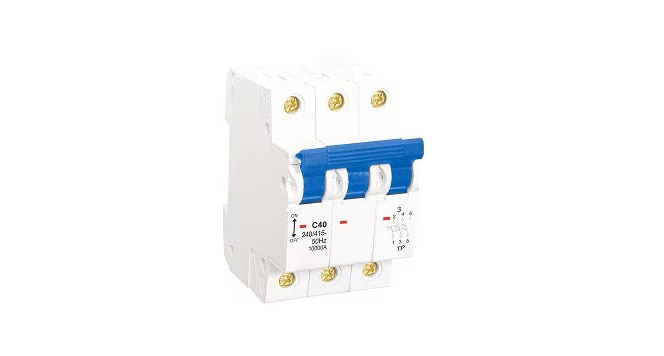
Solid State Circuit breaker, SSCB

Solid-State Circuit Breaker

With semiconductor-based switching and ultra-fast response, solid-state circuit breaker solutions provide arc-free protection, remote monitoring capability, and reliable operation in modern AC and high-voltage DC systems.

card image
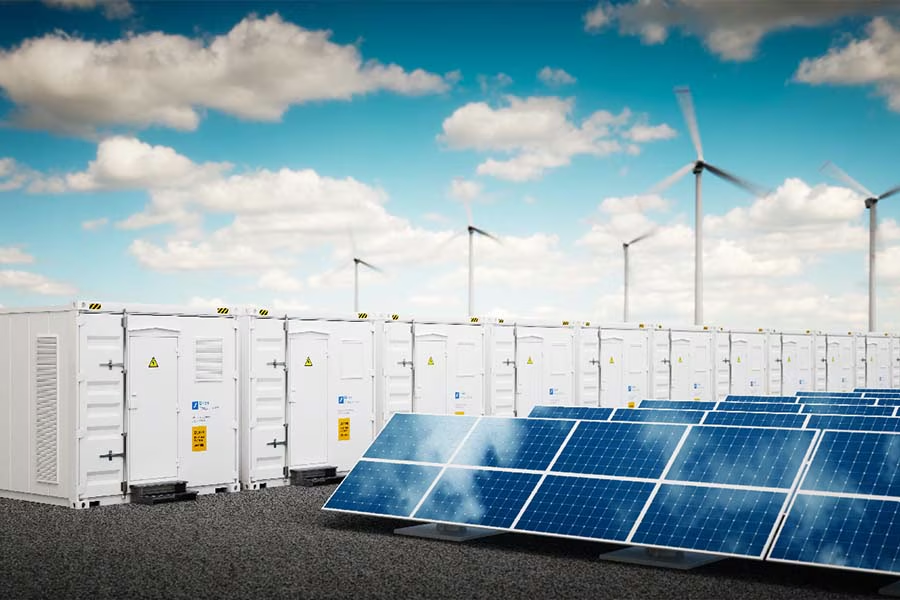
Battery Energy Storage System

Battery energy storage system solutions enable efficient power conversion, grid support, and reliable renewable integration through advanced SiC, IGBT, sensing, and control technologies built for scalable deployment.

card image
Solar Inverter

Designed for residential, commercial, and utility-scale platforms, solar inverter solutions deliver efficient DC-to-AC conversion, higher power density, thermal performance, and reliable grid-connected operation.

card image
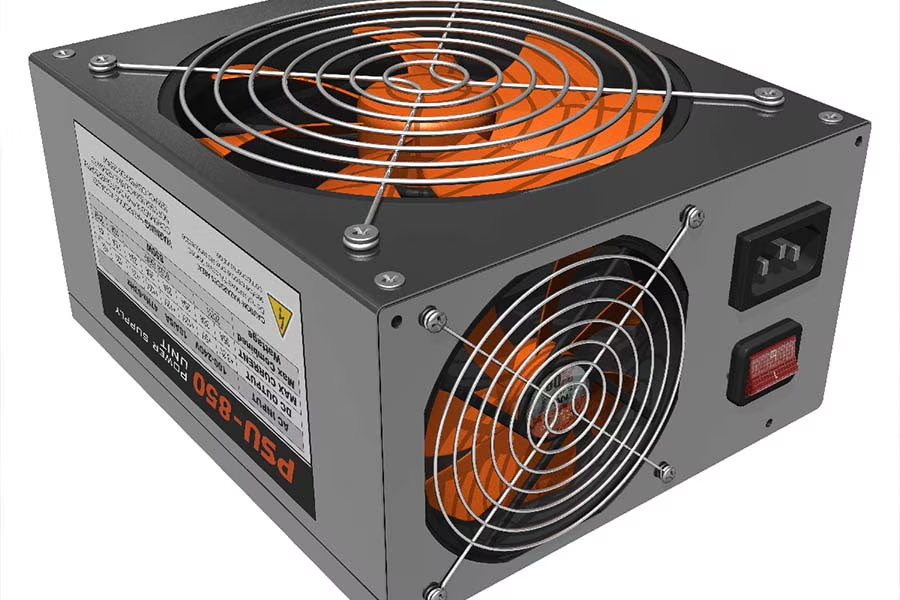
Switched-Mode Power Supply (SMPS)

Switched-mode power supply solutions use advanced PFC and resonant topologies with SiC and GaN technologies to improve efficiency, reduce size, and support compact industrial power designs from low to high power.

A truck charging at a charging station
Ultra Fast EV Charger

Ultra fast EV charger solutions leverage advanced SiC power technologies, scalable architectures, and efficient cooling strategies to increase power density, accelerate charging, and simplify next-generation charger design.

Frequently Asked Questions

Energy infrastructure refers to the interconnected systems used to generate, convert, store, transmit, and distribute electrical energy. These systems are evolving rapidly due to electrification and renewable integration, requiring higher efficiency, reliability, and scalability across diverse industrial and utility environments. 

High efficiency reduces power losses, improves thermal performance, and lowers operating costs in energy infrastructure systems. As power demand grows and renewable energy adoption increases, efficient conversion and distribution are essential to meet power density targets and regulatory requirements while minimizing system size and total cost of ownership. 

Solid-state circuit breakers replace mechanical contacts with semiconductor switching, enabling ultra-fast response, arc-free operation, dynamic adjustability, and remote monitoring. onsemi notes that these advantages make them suitable for AC systems, hot-swap designs, and high-voltage DC applications.

A battery energy storage system stores energy and releases it when needed to improve renewable integration, grid flexibility, and system reliability. onsemi highlights both AC-coupled and DC-coupled BESS architectures and positions advanced SiC, IGBT, gate-driver, and sensing solutions as core building blocks.

Power electronics enable precise control of electrical energy by converting, regulating, and managing power flow between sources, storage, and loads. Technologies such as converters and advanced semiconductors improve efficiency, reduce losses, enhance grid resilience, and enable flexible power routing in modern electrified systems. 

A solar inverter converts variable DC energy from the PV side into grid-compatible AC power. onsemi identifies efficiency, reliability, safety, and thermal performance as critical requirements across residential, commercial, and utility-scale solar designs.

onsemi highlights advanced SMPS approaches such as Totem-Pole PFC, LLC resonant converters, synchronous rectification, and quasi-resonant flyback control. These are paired with SiC and GaN devices to improve efficiency and support compact power supply designs from lower wattage systems to multi-kilowatt platforms.

onsemi emphasizes advanced SiC technology, packaging innovation, scalable power architectures, and efficient thermal management as major ingredients for DC fast EV charging. The company also points to 3-phase PFC and active front-end topologies as important charger design elements.

Wide-bandgap devices such as silicon carbide (SiC) deliver higher switching frequencies, lower conduction losses, and improved thermal performance compared with silicon. This enables higher efficiency, smaller system size, and better reliability, making them ideal for high-power applications like solar, storage, and EV charging systems. 

onsemi describes its system solution guides as detailed, practical development resources that help decode product complexity, streamline project development, and provide technical advice for real system architectures. The guides are presented as tools to accelerate design and innovation across multiple markets.